
How to tape a thumb injury with kinesiology tape is a question UK climbers, boxers, MMA athletes, racquet-sport players and gym-goers ask the moment a nagging strain appears at the base of the thumb. This guide covers the science, red-flag screening, materials, two clinical application methods, and safe removal - so you can support the joint confidently without masking a more serious injury.
TL;DR
- Kinesiology tape supports the thumb by lifting the skin, cueing the joint and reducing load on the ulnar collateral ligament (UCL) and the thenar muscles - it is not a cure.
- Red flags that need a GP or physio first: inability to pinch firmly, a gap or instability at the MCP joint, obvious deformity, numbness, or pain that does not improve after 72 hours of rest.
- Two application methods covered: a UCL / skier's thumb support and a thenar-eminence overuse wrap for climbers and racquet players.
- Use 5cm kinesiology tape with rounded cut ends, zero stretch on anchors, 25-50% stretch on therapeutic strips.
- Remove slowly in the shower, working with the direction of hair growth, to avoid skin tears.
Context: why thumb injuries are so common (and who this guide is for)
The thumb contributes around 40% of total hand function, according to Cleveland Clinic's guidance on skier's thumb, so even a minor sprain sidelines training fast. The most common mechanisms we see at Flexa.fit are:
- Falling onto an outstretched hand with the thumb abducted - the classic "skier's thumb" that sprains or tears the ulnar collateral ligament (UCL) at the metacarpophalangeal (MCP) joint. Skiing, rugby, snowboarding and trail running are the usual culprits.
- Repetitive crimping and pinching in climbers - overloads the flexor pollicis longus tendon and the thenar muscles around the thumb base.
- Blunt hyperextension in boxing, MMA and martial arts - glove impact can jam the thumb back, irritating the MCP capsule.
- Racquet sports - tennis, padel and squash generate high eccentric load on the adductor pollicis during low forehands and drop shots.
- Gym-user and CrossFit overuse - heavy hook-grip deadlifts, pull-ups with thumbs-over grip, and kettlebell snatches.
This guide is aimed at adult UK readers with mild-to-moderate thumb pain who want a supportive taping method to keep training safely or recover from a minor strain. Tick any red flag below? Stop and see a professional before you reach for the tape.
Red flags - do NOT tape, see a clinician first
- Complete loss of pinch strength or a feeling that the joint is "giving way" - possible complete UCL rupture (Stener lesion), which the Mayo Clinic notes often needs surgical repair.
- Visible deformity, a palpable lump on the ulnar side of the MCP, or a gap that opens when the thumb is stressed sideways.
- Bruising that spreads into the palm or wrist within an hour - suggests significant soft-tissue damage or fracture.
- Numbness, tingling or cold fingertips - possible nerve or circulatory involvement.
- Pain that does not settle after 72 hours of rest and ice, per NHS sprains and strains guidance.
- Any suspected fracture: point tenderness on bone, pain with gentle axial loading, or pain that wakes you at night.
Book an urgent appointment with your GP, a minor injuries unit, or a Chartered Society of Physiotherapy-registered physio if any of the above apply.
The science: what kinesiology tape actually does for the thumb
Kinesiology tape is a thin, elastic cotton strip with a hypoallergenic acrylic adhesive. Applied under tension, it lifts the skin microscopically away from the underlying fascia, which may improve lymphatic flow, feed proprioceptive information to the joint, and offload strained tissue. Applied to the thumb, a well-placed strip can:
- Cue the MCP and CMC joints to stay in a neutral position, reducing end-range stress on the UCL.
- Support the thenar musculature (adductor pollicis, flexor pollicis brevis) during grip work.
- Provide a constant low-level reminder that the thumb is injured, which reduces provocative movements unconsciously.
Be honest about the evidence. A 2014 systematic review indexed on PubMed found that kinesiology tape produces small-to-moderate improvements in pain and function for musculoskeletal conditions, and works best as an adjunct to exercise rehab rather than a standalone cure. Think of the tape as scaffolding while the ligament or tendon heals - you still need rest, graded loading, and clinician guidance to recover fully.
Prep and materials
Before you tape, gather:
- Kinesiology tape, 5cm width - the standard width for hand and thumb applications. The Flexa.fit Kinesiology Tape 5m roll is cotton-backed, water-resistant and lasts 3-5 days per application.
- Round-tipped scissors.
- Surgical spirit or an alcohol wipe to clean the skin.
- A reusable hot and cold pack for the first 48 hours if swelling is present.
Prep the skin properly or the tape will peel within hours.
- Clean the thumb, hand and wrist with soap and water, then dry thoroughly.
- Wipe over the application area with surgical spirit to remove oils and moisturiser.
- Shave any heavy hair on the back of the hand - not always needed on the thumb itself.
- Round every tape end with scissors - sharp corners lift first and unravel the whole strip.
- Warm the tape by rubbing it once it is in place; heat activates the adhesive.

Method 1: Taping a UCL sprain / skier's thumb
Use this method for a grade I or grade II UCL sprain where a physio confirms a stable end-feel when they stress the joint. The tape holds the thumb in slight adduction and offloads the ligament while you train or work. NHS Inform outlines the typical recovery timeline in its sprained thumb guidance - expect 4-6 weeks for grade I, longer for grade II.
You will cut three strips:
- Strip A (anchor strip): 10cm I-strip
- Strip B (Y-strip): 15cm cut into a Y shape, ending about 5cm from one end
- Strip C (locking strip): 8cm I-strip
Step-by-step
- Position the hand palm-up with the thumb relaxed in slight adduction (not splayed).
- Apply Strip A with zero stretch across the back of the wrist to act as a stable base. Rub to activate the adhesive.
- Tear open the Y on Strip B and anchor the solid 5cm end on the back of the wrist over Strip A.
- Apply the first tail of the Y with 25% stretch along the ulnar (little-finger) side of the thumb, finishing at the base of the nail. This tail protects the UCL.
- Apply the second tail with 25% stretch along the radial side of the thumb, again finishing at the nail base.
- Apply Strip C horizontally around the MCP joint with 50% stretch in the middle and zero stretch on the anchors. This is the "lock" that limits painful sideways movement.
- Warm the whole application by rubbing for 30 seconds.
Check the application: make an OK sign with thumb and index finger. You should feel firm support but no pins-and-needles. If your thumb pad turns pale or tingles, the locking strip is too tight - remove and reapply with less stretch.
Method 2: Thenar overuse wrap for climbers, racquet players and MMA
Use this method for base-of-thumb soreness caused by repetitive loading - no acute injury, just a tendon or muscle grumble that flares during sessions. It supports the thenar eminence (the fleshy pad at the base of the thumb) without locking the MCP joint, so you keep full grip function.
- Strip A (fan anchor): 12cm I-strip
- Strip B (thenar lift): 10cm I-strip, cut into 3 narrow tails leaving 3cm solid at one end
Step-by-step
- Open the hand and spread the fingers gently so the thenar eminence is slightly stretched - this is the "stretched skin" technique that lets the tape decompress the tissue when the hand relaxes.
- Anchor Strip A with zero stretch across the inside of the wrist, just proximal to the thenar crease.
- Extend Strip A with 15% stretch up over the base of the thumb and onto the back of the hand, following the line of the first metacarpal. Lay the last 2cm with no stretch.
- Anchor Strip B (the fan) on the back of the wrist with zero stretch.
- Lay the three narrow tails with 25% stretch, fanning outward across the thenar pad so they finish at the web space, the base of the thumb nail, and the radial side of the thumb.
- Rub to activate, then open and close the hand five times to let the tape settle.
You should feel the thenar pad lift slightly when you relax the hand - that is the decompression effect doing its job.
For climbers and strikers taping regularly, the Flexa.fit Kinesiology Tape Bundle is the more economical option - four 5m rolls, enough for 20-30 applications. Pair it with our wider recovery and taping collection if you also need zinc oxide or EAB tape for finger strapping.
How long to leave the tape on
- Active session: apply 20-30 minutes before training so the adhesive sets properly.
- Wear time: 3-5 days is typical for Flexa.fit kinesiology tape. Replace sooner if the edges curl or the adhesive loses grip.
- Shower and swim: water resistant, not waterproof. Pat dry, do not rub. After swimming, consider replacing the strip if the edges lift.
- Sleep: fine to wear overnight unless the skin becomes itchy or red.
- Stop immediately if you develop a rash, blistering, or itchy skin - this usually indicates an adhesive sensitivity.
How to remove kinesiology tape without damaging the skin
This is the step most people get wrong. Ripping tape off creates micro-tears in the skin and leaves the area too sensitive to retape. The correct method:
- Remove the tape in the shower, or after a warm bath, when the adhesive has softened.
- Apply a small amount of baby oil or olive oil to the tape and leave for 2-3 minutes.
- Peel slowly, rolling the tape back on itself at a low angle - not pulling it straight up.
- Work in the direction of hair growth, supporting the skin with your other hand as you peel.
- Once removed, wash the area gently and apply a fragrance-free moisturiser.
If the skin looks red or irritated, skip your next application by 48 hours and let it recover.
Rehab exercises to pair with the tape
Taping alone will not fix the underlying problem. Pair the support with a progressive rehab programme, ideally guided by a physio. Typical early-stage exercises include:
- Isometric pinch holds: press thumb and index finger together at 30% effort, hold 10 seconds, 3 sets of 10.
- Thumb opposition: touch the thumb to each fingertip in sequence, aiming for smooth control rather than speed.
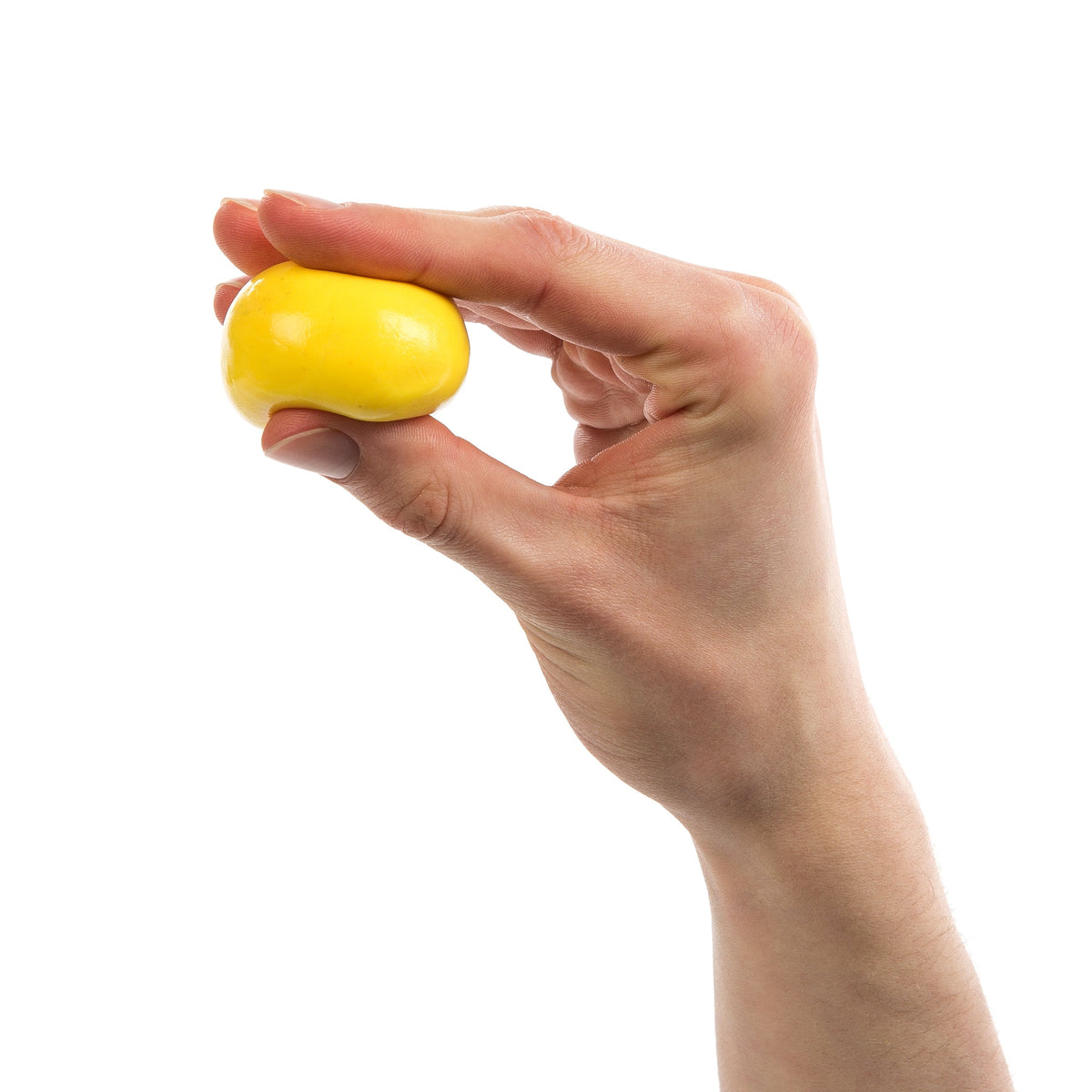
- Therapy putty squeezes: the Flexa.fit Hand Therapy Putty offers graded resistance for thenar and intrinsic hand strengthening once pain allows.
- Wrist mobility drills: gentle flexion, extension and radial deviation to restore full kinetic chain range.
Progress to loaded grip work (farmer's carries, light dumbbell curls, crimp hangs at reduced body weight) only once pain-free through full range.
FAQs
Can kinesiology tape really fix a thumb sprain on its own?
No - and anyone selling it as a cure is overstating the evidence. Kinesiology tape provides proprioceptive support, modest pain reduction and a reminder not to overload the joint, which is exactly what a healing ligament needs. The tape is a useful adjunct, but the real recovery comes from rest, graded loading and professional rehab guidance, as outlined in NHS sprains guidance.
How long should I wear the tape for a skier's thumb?
For a grade I sprain, most physios recommend wearing tape during provocative activities (training, typing, lifting) for 2-4 weeks, refreshing every 3-5 days. Grade II sprains may need rigid bracing first, with kinesiology taping introduced once the clinician confirms joint stability. Never self-diagnose the grade - have it assessed properly before choosing a support strategy.
Is it safe to tape my thumb before climbing or boxing every session?
Yes, provided the skin is healthy and you are not masking a worsening injury. Regular taping is standard practice in climbing and combat sports for overuse support. Rotate the application slightly each session to avoid irritating the same skin patch, and take a 48-hour tape-free window every 7-10 days to let the skin recover. If pain increases session-on-session despite taping, stop and see a physio.
Can I shower, swim and train in kinesiology tape?
Kinesiology tape is water-resistant, so short showers and swims are fine - pat dry rather than rubbing. Extended swim sessions, hot baths and saunas will shorten wear time. You can train in the tape, which is the whole point: it is designed to move with you. Replace any strip that starts curling at the edges because a half-attached strip gives no meaningful support.
What is the difference between kinesiology tape and zinc oxide tape for the thumb?
Zinc oxide tape is rigid and non-elastic, so it restricts movement firmly - useful for acute grade II sprains, boxing thumb wraps, or any time you need to lock the joint out. Kinesiology tape is elastic, allows full range of motion, and supports rather than restricts. Most athletes use both: rigid tape for acute injury or high-risk sessions, kinesiology tape for ongoing support and return-to-play.
What if I am allergic to the adhesive?
Mild redness after removal is normal. Persistent itching, a raised rash, or blistering suggests an acrylic adhesive sensitivity. Stop using the tape, wash the area with mild soap, and apply a fragrance-free emollient. Hypoallergenic kinesiology tapes (including the Flexa.fit Kinesiology Tape 5m) reduce the risk but do not eliminate it entirely. If symptoms persist more than 48 hours, consult a pharmacist or GP.
When should I stop taping and see a doctor?
See a GP, physio, or urgent care clinic if pain worsens despite 72 hours of rest and taping, if you lose pinch strength, develop numbness, or notice any deformity around the MCP joint. The Chartered Society of Physiotherapy has a free "find a physio" tool for UK readers. A 20-minute assessment can distinguish a simple sprain from a Stener lesion that needs surgical review.
Conclusion
Knowing how to tape a thumb injury with kinesiology tape is a genuinely useful skill for anyone training through a minor strain - climbers, boxers, racquet players and gym-goers alike. The two methods above cover the vast majority of presentations, but the real win comes from pairing the tape with sensible rehab, honest red-flag screening, and proper professional input when the signs warrant it. Get the prep right, cut your strips cleanly, apply the tension correctly, and the tape will do its job quietly in the background while you recover.
Disclaimer: This article is for informational purposes only and is not medical advice. Consult a qualified healthcare professional before starting any new exercise programme, especially if you have an existing condition or injury.
Share:
How to Tape a Knee with Kinesiology Tape: Step-by-Step Guide
Best Balls for Pilates for 2026: Top Picks Ranked